
A successful ring collection starts with a clear buying brief. Before comparing quotations, define the design, stone specifications, documentation and approval process your business needs.
01 / COLLECTION PLANNING
Start with the customer, then specify the ring.
Consider where the collection will sit in your range. Is it an everyday jewelry line, a bridal collection or a series of made-to-order pieces? The answer helps shape the design direction, target price and size assortment.
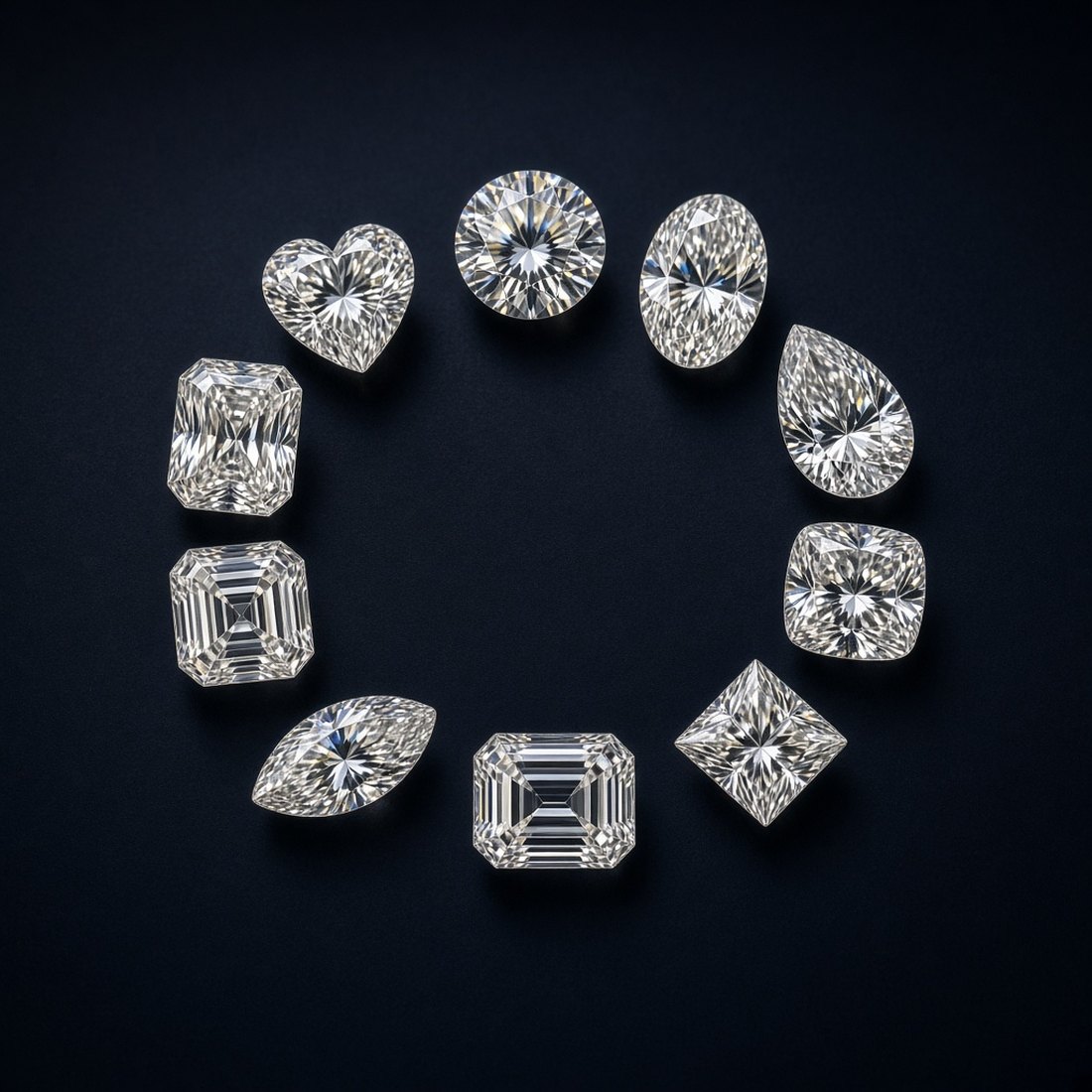
Prepare a short brief with reference images, preferred stone shapes, approximate dimensions, metal preferences and expected quantities. Include the market you sell into and any labeling or documentation requirements your team needs to review.
02 / STONE & DOCUMENTATION
Make documentation part of the buying brief.
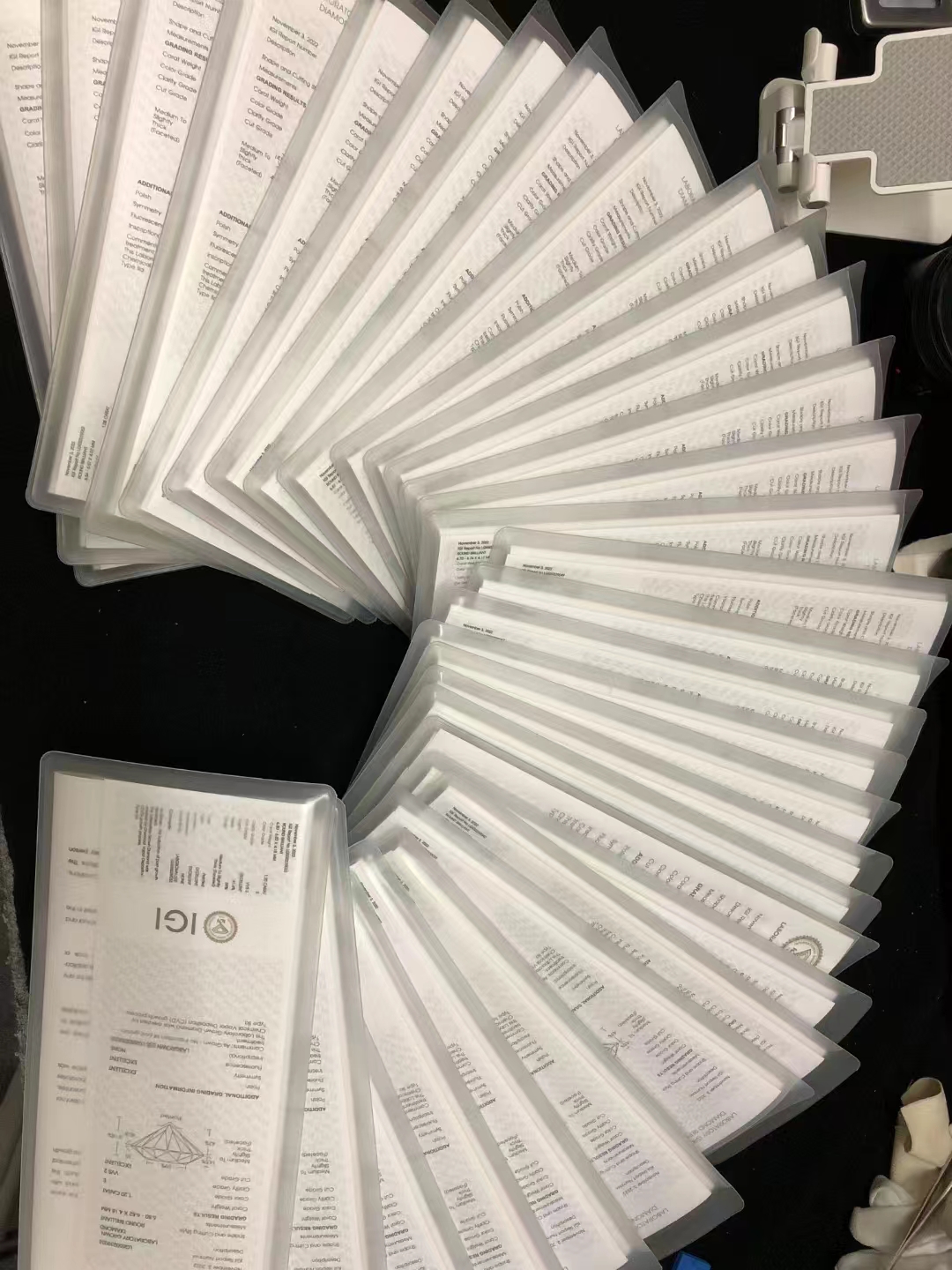
Ask the supplier to identify the stones as laboratory-grown in the quotation and relevant product documents. If a grading report is required, agree which stones it covers and which laboratory will issue it before you place the order.
Request the applicable report details for review. Check that the documented stone specifications match the quotation, and ask how the supplier connects each reported stone with its accompanying paperwork.
Keep this review separate from the finished ring specification. Your team still needs to approve the metal, ring size, setting design and finish.
03 / DESIGN & FINISH
The small details belong in writing.
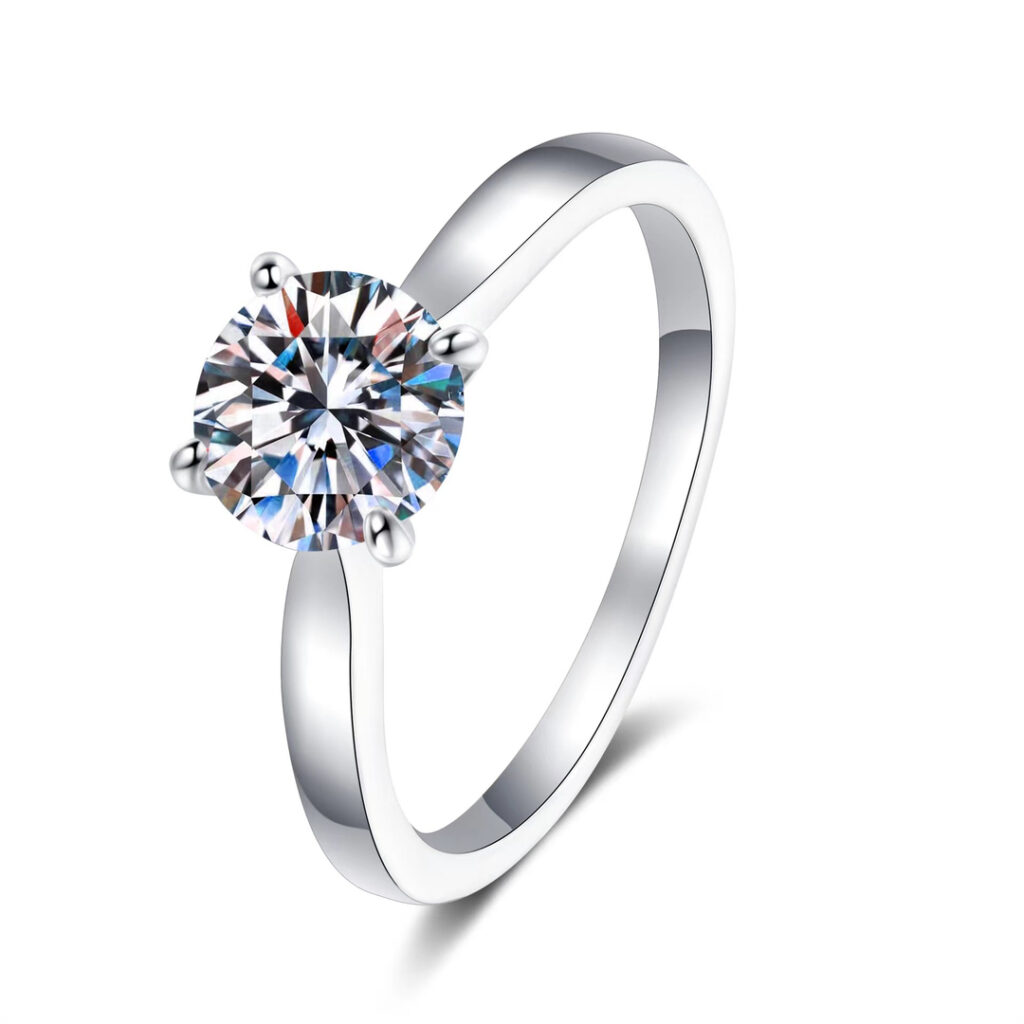
Two rings with a similar outline can have different profiles, band dimensions and setting details. Use drawings, measurements and close-up images to communicate the result you expect.
Discuss how the ring should look from the top and side, the preferred band width, the setting height and the finish. If you are developing several sizes or variants, ask which details will remain consistent and which need separate approval.
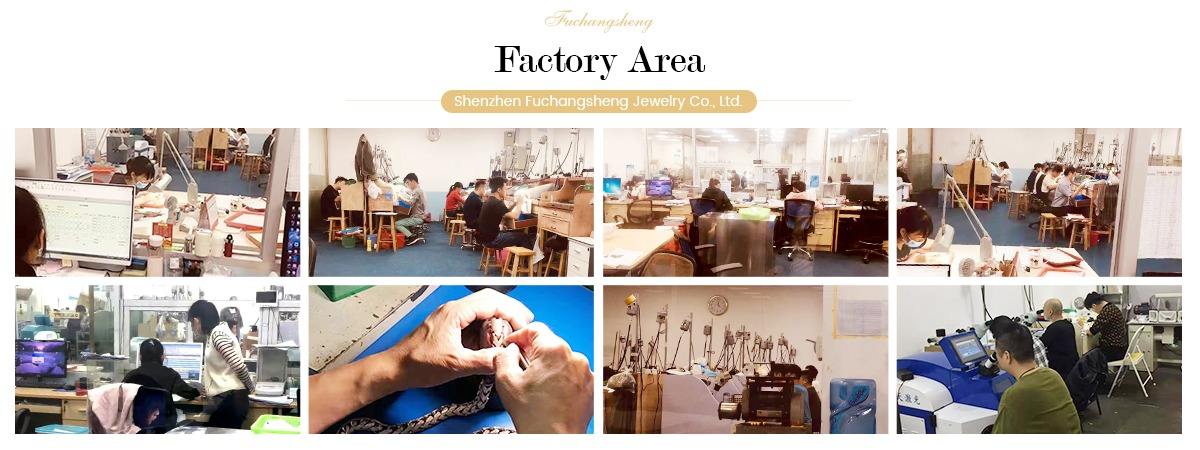
04 / SAMPLE TO ORDER
Approve the details before the production commitment.
Agree on the approval sequence with your supplier. Depending on the project, this may include a drawing review, a design revision and a physical sample. Ask what each stage confirms and whether it involves a separate charge.
Record your approved specifications and any remaining changes in one place. Confirm when the production schedule begins, how changes affect that schedule and which checks will be completed before dispatch.
| Area | What to confirm |
|---|---|
| Diamond | Laboratory-grown identification, shape, agreed specifications and report coverage. |
| Ring | Metal specification, size range, dimensions, setting details and finish. |
| Approval | Drawings or samples required, revision process and written sign-off. |
| Commercial terms | Quantity, quotation validity, payment terms and what the price includes. |
| Delivery | Production timing, packaging, shipping scope and responsibility for import costs. |
BUYER QUESTIONS
Before you request a quotation
What if my design is still an idea?
Start with reference images and a short description of your intended customer, preferred look and budget range. Mark the details that are essential and those you are open to discussing.
Should I choose a stock style or a custom design?
Ask to compare both routes against your brief. Discuss available modifications, sample requirements, quantities and timing before deciding.
How can I compare quotations fairly?
Use one specification sheet for every supplier. Where an offer differs, ask for the difference to be stated explicitly rather than assuming the pieces are equivalent.
YOUR NEXT COLLECTION
Bring your ring brief to FCS Jewelry.
Share your reference images, preferred stone shape, metal requirements, ring sizes and estimated quantities. Use the checklist above to organize the details for your next sourcing conversation.
Discuss your ring project